 English
 العربية


What are Hemorrhoids?
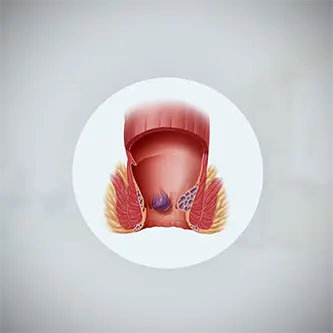
Hemorrhoids, also known as piles, are swollen veins in the lower rectum or anus. They can
occur internally or externally and are a relatively common condition affecting both men and
women. Hemorrhoids are not considered a serious medical issue and can often be managed
effectively with proper care and treatment.
There are two main types of hemorrhoids:
Internal Hemorrhoids: These hemorrhoids develop inside the rectum and are not visible or
felt from the outside. They are generally painless unless they prolapse (protrude) and
become enlarged. Common symptoms include bleeding during bowel movements and a
feeling of fullness or discomfort.
External Hemorrhoids: These hemorrhoids occur beneath the skin around the anus. They
can be felt as a lump or swelling and may cause pain, itching, and irritation. External
hemorrhoids can also bleed if they become irritated or thrombosed (develop a blood clot).
It's important to note that some individuals may have both internal and external hemorrhoids
simultaneously. The appropriate treatment and management approach may vary depending
on the type and severity of the hemorrhoids.
Causes of Hemorrhoids:
Several factors contribute to the development of hemorrhoids, including:
Straining during bowel movements: Excessive straining while passing stools, typically
caused by constipation, can lead to the formation of hemorrhoids.
Chronic diarrhea: Frequent episodes of diarrhea can irritate the rectal area and increase the
risk of hemorrhoids.
Pregnancy: The pressure exerted on the rectal area during pregnancy, coupled with
hormonal changes, can cause hemorrhoids to develop.
Obesity: Being overweight or obese can put extra pressure on the veins in the rectal area,
leading to the development of hemorrhoids.
Sedentary lifestyle: Prolonged sitting or lack of physical activity can contribute to the
development of hemorrhoids.
Symptoms of Hemorrhoids:
The most common symptoms associated with hemorrhoids include:
Rectal bleeding: Bright red blood may be noticed on toilet paper, in the toilet bowl, or on the
surface of stools.
Itching and irritation: The anal area may become itchy and irritated due to the presence of
hemorrhoids.
Pain or discomfort: Hemorrhoids can cause pain or discomfort, especially during bowel
movements or when sitting for prolonged periods.
Swelling and lumps: External hemorrhoids may form visible lumps around the anus, causing
swelling and discomfort.
At Hemocure, we take pride in our successful track record of treating over 10,000 individuals
suffering from hemorrhoids. With our state-of-the-art equipment and advanced procedures,
we prioritize patient comfort and safety while delivering optimal results.
hemorrhoids animation
Our state-of-the-art equipments
Proctostation
At Hemocure, we utilize the advanced THD ProctoStation device to accurately diagnose
hemorrhoid conditions and determine the appropriate treatment for each patient. This device
is a modern and effective tool that enables us to assess and examine hemorrhoids with high
precision, aiding us in making treatment decisions based on comprehensive information.
Leonardo device
The Leonardo laser device has been shown to be an effective treatment for hemorrhoids.It is
a minimally invasive procedure without cutting or damaging any muscle that uses laser
energy to shrink or remove hemorrhoids. The procedure is typically performed on an
outpatient basis and takes about 10 minutes without the pain of traditional surgery.
THD
It is a minimally invasive procedure that uses laser energy to shrink and destroy
hemorrhoidal tissue. The procedure is performed on an outpatient basis and typically takes a
short time.
Managing Hemorrhoids:
Fortunately, there are several measures you can take to alleviate symptoms and promote
healing:
Maintaining good hygiene: Clean the anal area gently with mild soap and warm water after
bowel movements. Avoid using rough toilet paper and opt for moistened wipes instead.
Increasing fiber intake: Consume a diet rich in fiber to promote regular bowel movements
and prevent constipation. Include fruits, vegetables, whole grains, and legumes in your
meals.
Staying hydrated: Drink an adequate amount of water throughout the day to soften stools
and prevent constipation.
Avoiding prolonged sitting: Take breaks from sitting and incorporate regular exercise into
your routine to improve blood flow and reduce pressure on the rectal area.
Using over-the-counter treatments: Topical creams, ointments, or suppositories containing
hydrocortisone or witch hazel can help relieve symptoms.
Share :
Related Topics
?WHICH IS BETTER FOR HEMORRHOIDS: SURGERY OR LASER
?CAN HEMORRHOID SURGERY BE DONE DURING PREGNANCY
Causes of Hemorrhoids and The Methods of Prevention
Hemorrhoids: Causes, Prevention, Treatment
Treating Hemorrhoids at Home: Documented Facts and Common Myths
Laser hemorrhoid surgery price in 2026: Everything you need to know
علاج البواسير في المنزل: الحلول المتاحة ولماذا قد لا تكون كافية؟
Laser vs. Conventional Hemorrhoid Surgery: Why Hemocure Clinics Stand Out
External hemorrhoids: symptoms and appearance
أدوية لعلاج حالات البواسير: ما يجب معرفته
How we perform hemorrhoid surgery at Hemocure: Step-by-step for patient comfort
What are hemorrhoids? Causes, symptoms, and modern treatment methods
The Difference Between Internal and External Hemorrhoids: How to Distinguish Them?
Can Hemorrhoids Be Treated Without Surgery? Explore the Available Options
Are Hemorrhoids Dangerous? And When Should You See a Doctor?
Laser Hemorrhoid Treatment: How It's Done and Its Advantages
The Best Techniques for Hemorrhoid Treatment at Hemocure Clinic
Hemorrhoids vs. Anal Fissure: How to Differentiate Between Them?
Can Hemorrhoids Return After Treatment? And How Can We Prevent That?
The Difference Between Hemorrhoids and Anal Fissure: How to Know What You Have?
Why is Laser Treatment for Hemorrhoids 10 Times Better Than Traditional Surgery?
Home Treatment for Hemorrhoids: What Works… and What is Dangerous?
Exercise and Hemorrhoids: Exercises That Help… and Those That Hurt
Best Hemorrhoids Doctor in Cairo | Dr. Mohamed Magdy El Naggar
The Best Proctologist Near You in Every Governorate
Laser Hemorrhoids Procedure at Hemocure — From Diagnosis to Complete Recovery
The Difference Between Internal and External Hemorrhoids: Symptoms, Diagnosis, and Treatment Methods
Best Hemorrhoids Doctor in Cairo | Full Treatment Plan
Every Proctology Technology in the World Under One Roof | Egypt
Blood in Stool: Is It Always Piles? Dr. Mohamed Magdy El-Najjar Answers
Laser Hemorrhoid Treatment vs. Traditional Surgery?
Hemorrhoid Treatment: The Comprehensive Guide to All Methods, From Home Remedies to Laser