 English
 العربية


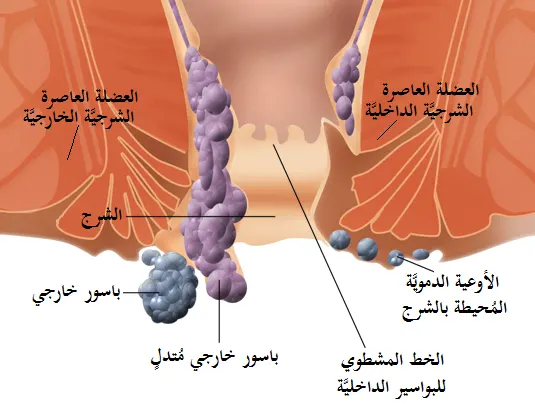
Hemorrhoids are a common condition that many people suffer from. Swollen external hemorrhoids are considered one of the most bothersome types because they are visible and can be felt around the anal area. Although this condition can be highly uncomfortable, treating it has become much easier thanks to modern medical advancements.
In this article, we will look at the causes of swollen external hemorrhoids, how they can be treated, and what preventive measures can be taken to limit their development.
What Are Swollen External Hemorrhoids?
External hemorrhoids are swellings of the veins in the area surrounding the anus. When these veins swell, a person experiences pain, itching, and noticeable puffiness. External hemorrhoids can be mild or they can worsen and swell, making them more bothersome—especially when the swelling is accompanied by a blood clot, known as a "thrombosis."
Causes of External Hemorrhoids
There are several causes that lead to the appearance of swollen external hemorrhoids. The most important include:
-
Chronic Constipation: Persistent straining during bowel movements can increase pressure on the veins surrounding the anus, leading to their swelling and the formation of hemorrhoids.
-
Pregnancy: Pregnant women are more susceptible to hemorrhoids due to increased pressure on the pelvic and anal area during pregnancy.
-
Obesity: Excess weight increases pressure on the veins in the anal region, making a person more prone to hemorrhoids.
-
Prolonged Sitting: Staying in a sitting position for long periods, especially on hard surfaces, can increase pressure on the anal veins and cause them to swell.
-
Genetic Factors: Some people may have a hereditary predisposition to developing hemorrhoids.
-
Heavy Lifting: Exercise or activities that require excessive lifting of heavy weights can contribute to increased pressure on the veins in the anal area.
Treatment of External Hemorrhoids
Treating swollen external hemorrhoids depends on the severity of the condition and how much it impacts the patient's daily life. There are several ways to treat this type of hemorrhoids, ranging from home remedies to medical treatments and minor surgical procedures.
1. Home Remedies for Hemorrhoids
In mild cases, swollen external hemorrhoids can be managed using simple steps at home, such as:
-
Warm Sitz Baths: Sitting in warm water helps soothe the pain and reduce swelling. It is recommended to sit in the water for 10–15 minutes several times a day.
-
Using Ointments and Creams: There are over-the-counter ointments containing ingredients that help reduce inflammation and swelling, which can be effective in relieving symptoms.
-
Fiber Intake: Eating foods rich in fiber, such as vegetables and fruits, helps improve digestion and prevent constipation, thereby reducing pressure on the veins.
-
Drinking Plenty of Water: Drinking adequate amounts of water daily helps facilitate bowel movements and prevent constipation.
2. Medical Treatment
In some cases, it may be necessary to use specific medications to relieve symptoms:
-
Pain Relievers: Analgesics like paracetamol are used to alleviate the pain associated with hemorrhoids.
-
Topical Ointments: Some ointments contain numbing or soothing agents like lidocaine, which work to relieve pain and itching.
-
Anti-inflammatory Medications: Anti-inflammatory drugs may be prescribed to reduce swelling and inflammation in external hemorrhoids.
3. Medical and Surgical Procedures
If the swollen external hemorrhoids are thrombosed (contain a blood clot) or do not respond to home and medical treatments, medical or surgical intervention may be necessary:
-
Surgical Removal of the Clot (Thrombectomy): If a swollen external hemorrhoid contains a blood clot, a doctor can surgically remove it in a simple procedure performed under local anesthesia.
-
Laser Treatment: Laser hemorrhoid treatment is an available option to get rid of swollen hemorrhoids. The laser works to shrink the size of the hemorrhoids painlessly and without the need for large surgical incisions.
-
Hemorrhoidectomy: In severe cases that do not respond to any other treatments, the patient may need to undergo a surgical removal of the hemorrhoids.
Prevention of Swollen External Hemorrhoids
You can avoid developing swollen external hemorrhoids or limit their progression by following these preventive tips:
-
Eat Fiber-Rich Foods: Ensuring enough fiber in your daily diet can help improve digestion and prevent constipation.
-
Drink Adequate Amounts of Water: Water helps soften stools and eases bowel movements, which reduces pressure on the anal area.
-
Exercise Regularly: Physical activity helps improve blood circulation and reduces the chances of developing hemorrhoids.
-
Avoid Prolonged Sitting: If your job requires sitting for long periods, try to take short breaks to move your body.
-
Avoid Straining During Bowel Movements: Try to pass stools without straining, and do not spend excessive time on the toilet to avoid putting pressure on the anal area.
Conclusion
Swollen external hemorrhoids can be highly painful and bothersome, but with modern medical progress, their treatment has become easier and more effective. By using simple home remedies or turning to advanced medical treatments like laser therapy, you can eliminate this problem quickly and without major complications. By following a few simple preventive measures, you can reduce the chances of developing hemorrhoids and enjoy a pain-free life.
Comments
Add New Comment