 English
 العربية


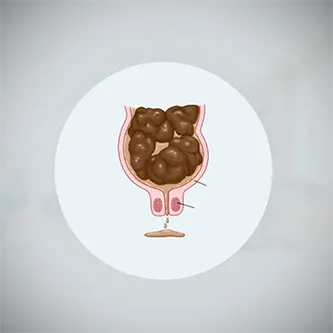
Do you leak gas or stool without being able to control it, so that you have started avoiding leaving the house or you worry all the time at work? This is what is called fecal incontinence, or loss of bowel control. It is one of the most embarrassing problems, which is why many patients stay silent about it for years. In this article we explain its grades and causes, how we identify the cause with tests, and how we treat it today by implanting an artificial sphincter around the anus (SphinKeeper).
What is fecal incontinence?
Fecal incontinence is the involuntary passage of stool for at least three months in a person who previously had control over it[1]. It may be partial or complete. To control defecation we need two things working together: healthy muscles around the anus that contract well, and healthy nerves that carry the signal to those muscles. If either one fails, loss of control appears.
Dr. Mohamed Magdy ElnaggarVideo: “Loss of bowel control: how do we treat it?”“For us to have good control, two things have to be working well: muscles that work well… and nerves that carry the nerve signal to the muscles.”
What are the grades and forms of fecal incontinence?
Not all patients are at the same grade; the problem progresses in stages:
| Grade | What happens? |
|---|---|
| Loss of control over gas | Gas passes involuntarily, but stool remains under control |
| Loss of control over liquid stool | Soft or liquid stool leaks, especially with diarrhea |
| Complete loss of control | The patient cannot control even solid stool |
| Leakage after defecation | The patient can control reaching the toilet, but afterward finds traces of stool on the underwear or around the anus |
Why does fecal incontinence happen?
The problem has many causes, the most important of which are:
- Injury to the anal muscles: such as a tear during vaginal delivery[2], or cutting part of the muscles in a previous anal operation, such as some anal fistula or anal fissure operations performed with traditional methods.
- Severe chronic constipation, which over time can lead to muscle strain and tearing.
- Hemorrhoids neglected for a long time, which can cause loosening of the anal muscles.
- Nerve disorders that weaken the signal reaching the muscles.
- Muscle disorders, acquired or hereditary, that weaken the control muscles.
Dr. Mohamed Magdy ElnaggarVideo: “Loss of bowel control: how do we treat it?”“A lot of patients had operations, for example by mistake or something, and the muscles get cut.”
When should you see a doctor?
See a doctor if gas or stool repeatedly passes without your control, or you have started finding traces of stool on your clothes after using the toilet, or you have begun changing your life because of it, such as avoiding going out or traveling. Do not postpone the visit out of embarrassment; this is a common medical problem and it can be treated.
How do we identify the cause of fecal incontinence?
The right treatment starts with identifying the cause: is the problem in the muscles or in the nerves? That is why the doctor starts with a detailed medical history and an examination, then requests the tests that suit your case, including:
| Test | What does it show? |
|---|---|
| Anal sphincter pressure measurement (anorectal manometry) | The strength of muscle contraction and its ability to maintain control |
| Anal ultrasound (endoanal ultrasound) | Whether there is a cut or tear in the muscles, and where it is |
| MRI | The condition of the muscles and tissues around the anus |
| Defecation dynamics | How the muscles work during defecation |
| Nerve conduction studies | Whether the nerves carry the signal to the muscles well |
The American guidelines recommend considering anal manometry and endoanal ultrasound when evaluating the patient[1].
How is fecal incontinence treated?
The doctor chooses the treatment according to the cause and the severity of the problem:
| Treatment | When is it used? |
|---|---|
| Diet regulation and pelvic floor muscle exercises | First-line in mild cases |
| Implantation of the artificial sphincter (SphinKeeper) | When the anal muscles are weak or torn |
| Sacral nerve stimulation (InterStim) | When the problem lies in the nerves |
| Surgical repair or muscle transposition | Selected cases |
Diet regulation and pelvic floor muscle exercises
In mild cases we start with diet regulation and drinking water so that the stool becomes formed and comes on a regular schedule, along with exercises to strengthen the pelvic floor muscles, and sometimes with the help of a biofeedback device[2].
Implantation of the artificial sphincter (SphinKeeper)
If the anal muscles are weak or torn, we treat this at Hemocure by implanting an artificial sphincter around the anus using SphinKeeper. It is a set of small implants made of an inert material that the body does not react to, placed in the space between the internal and external anal sphincter muscles, where they expand in place to support the muscles and help them close[3]. Nothing of it shows on the skin.

Dr. Mohamed Magdy ElnaggarVideo: “Loss of bowel control: causes and treatment options”“We now implant a smart sphincter that never shows on the skin at all… but we have to choose the right patient, because not every patient is suitable.”
Studies have shown a clear improvement in the severity of incontinence and in patients’ quality of life after implantation[4][5]. In fairness, we should say that research on this technique is still limited, and that choosing the right patient matters; the patients who benefited most were those with a clear tear in the internal sphincter[5]. The doctor therefore determines whether the sphincter suits you after the examination and tests.
Sacral nerve stimulation (InterStim)
If the muscles are healthy but the problem is in the nerves, the solution is nerve stimulation. A very thin wire is implanted next to the sacral nerve in the lower back, connected to a small device under the skin in the buttock area, so nothing shows from the outside. The device sends mild signals that help the nerve activate the muscles, and the patient controls their strength with a small remote control. This method is one of the treatments endorsed by the American guidelines for fecal incontinence[1].
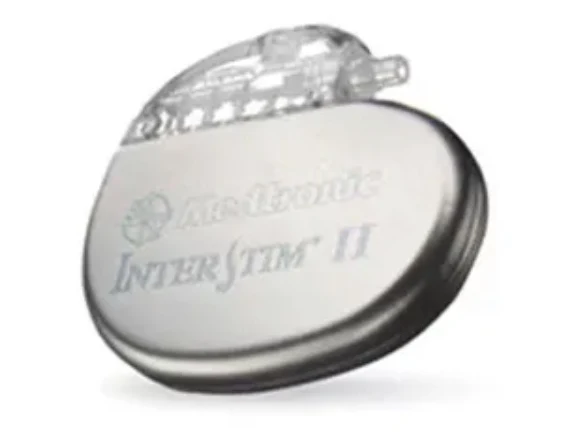
Dr. Mohamed Magdy ElnaggarVideo: “Loss of bowel control: how do we treat it?”“A patient whose muscles were there but got cut… we can place a smart artificial sphincter around the anus, and the problem that was in the nerve we can treat and place the InterStim.”
Surgical repair and muscle transposition
In some cases of recent muscle tear, it can be repaired surgically. Transposing a muscle from the thigh or buttock and implanting it around the anus, however, was one of the older solutions, and its results were not satisfactory for many patients.
Dr. Mohamed Magdy ElnaggarVideo: “The story of fecal incontinence”“We used to take a muscle from the thigh or a muscle from the buttock and implant it around the anal opening, and honestly the results were not the best.”
Daily tips that help
- Pay attention to fiber and water intake so that the stool becomes formed and easier to control.
- Notice the foods that cause you diarrhea or a lot of gas, and cut down on them.
- Keep your toilet visits on a fixed schedule, especially after eating.
- Practice pelvic floor muscle exercises regularly as your doctor explains them to you.
- Take care of the skin around the anus with gentle cleaning and drying to avoid irritation.
More videos with Dr. Mohamed Magdy Elnaggar
- Fecal incontinence and loss of bowel control — extended episode (19:03)
- Loss of bowel control: problems and solutions — full episode (25:40)
- What is involuntary defecation or fecal incontinence? (6:48)

Founder of Hemocure and the first to introduce laser anorectal surgery in Egypt in 2014. Chairman of the Training Board of the International Society for Laser Surgery of the Anus and Rectum (ISLOP) and an international reference in anorectal surgery, and recipient of the State Appreciation Award in 2018.
Read more
- Hemorrhoids: symptoms, grades, and treatment options
- Anal fistula: symptoms, types, and treatment options
- Anal fissure: symptoms, causes, and treatment options
Scientific references
- Bordeianou LG, Thorsen AJ, Keller DS, et al. The American Society of Colon and Rectal Surgeons Clinical Practice Guidelines for the Management of Fecal Incontinence. Dis Colon Rectum. 2023;66(5):647–661. https://guidelinecentral.com/guideline/9290
- Fecal Incontinence. MSD Manual Professional Version. https://www.msdmanuals.com/professional/gastrointestinal-disorders/anorectal-disorders/fecal-incontinence
- La Torre M, Lisi G, Milito G, Campanelli M, Clementi I. Sphinkeeper™ for faecal incontinence: a preliminary report. Colorectal Dis. 2020;22(1):80–85. https://doi.org/10.1111/codi.14801
- Dawoud C, Bender L, Widmann KM, Harpain F, Riss S. Sphinkeeper Procedure for Treating Severe Faecal Incontinence—A Prospective Cohort Study. J Clin Med. 2021;10(21):4965. https://doi.org/10.3390/jcm10214965
- Long-term outcome after SphinKeeper® surgery for treating fecal incontinence—who are good candidates? Langenbecks Arch Surg. 2023;408:456. https://doi.org/10.1007/s00423-023-03188-6
This article is for awareness and does not replace a medical examination.
Book your consultation
Do not postpone solving the control problem out of embarrassment. Leave your details in complete confidentiality, and the Hemocure team will contact you to set the appointment with you and the nearest branch.
or call the hotline 15251, and the Hemocure team will set the appointment with you and the nearest branch.
Answers to the most common questions about the condition — from pain and diagnosis to treatment and recovery after surgery — in the frequently asked questions below.