 English
 العربية


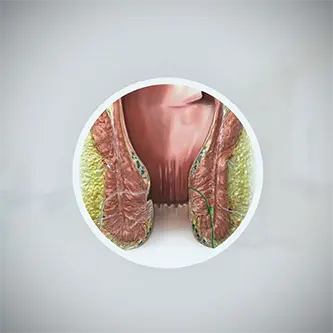
Anal fistula
Hemocure has a long history of successfully treating anal fistulas. We have treated
thousands of patients with anal fistulas, ranging from simple to complicated cases.
Anal fistula
What is an Anal Fistula?
An anal fistula is an abnormal connection or tunnel that develops between the inside of the
anus or rectum and the skin near the anus. It typically occurs as a result of an infection or an
abscess in the anal glands, which are small glands located inside the anus. This infection
causes a tunnel to form, leading to the development of the fistula.
Causes of Anal Fistulas:
The most common cause of anal fistulas is an infection in the anal glands, which can result
from various factors, including:
Anal abscess: An untreated or poorly drained anal abscess can lead to the formation of an
anal fistula.
Inflammatory bowel disease: Conditions such as Crohn's disease or ulcerative colitis can
increase the risk of developing anal fistulas.
Trauma or injury: Injury to the anal or rectal area, such as during childbirth or after surgery,
can lead to the formation of a fistula.
Symptoms of Anal Fistulas:
The symptoms of an anal fistula can vary depending on the location and severity of the
condition. Common signs and symptoms include:
Persistent pain: Pain around the anus, which may worsen during bowel movements or when
sitting for extended periods.
Discharge: Pus or foul-smelling discharge may be present near the opening of the fistula.
Swelling and redness: The skin around the anus may appear swollen, inflamed, or red.
Recurrent abscesses: Frequent development of painful abscesses in the anal area.
Treatment of anal fistula
Hemocure uses a variety of procedures to treat anal fistulas, including:
The FiLac procedure is a minimally invasive technique for treatment of anal fistulas. It
involves using a laser probe to seal the fistula tract and promote healing. This procedure
may involve the insertion of a seton in some cases to help drain the fistula. Recovery time is
usually shorter, and there's less postoperative pain.
FILAC
V.A.A.F.T: This procedure involves the use of a video camera to track the fistula tract. This
helps the surgeon to identify the exact location of the fistula and to plan the best course of
treatment.
Managing Anal Fistulas:
Early diagnosis and appropriate treatment are essential to prevent complications and
promote healing. If you suspect an anal fistula or experience any related symptoms, it is
crucial to consult a healthcare professional for a proper evaluation and treatment plan
Share :