 English
 العربية


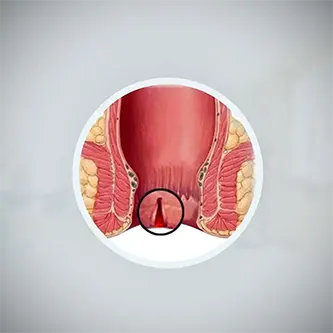
What is an Anal Fissure?
An anal fissure is a small crack in the lining of the anus, the opening through which stool
passes during bowel movements. It is a common condition that can cause discomfort, pain,
and bleeding during or after bowel movements.
Causes of Anal Fissures:
The most common causes of anal fissures include:
Constipation: Straining during bowel movements due to hard, dry stools can cause tears in
the anal lining.
- Diarrhea: Frequent or chronic diarrhea can irritate the anal area and lead to the development of fissures.
- Anal trauma: Injury or trauma to the anal area, such as from anal intercourse or inserting foreign objects, can result in anal fissures.
- Childbirth: In women, the process of childbirth can sometimes cause anal fissures due to the stretching and pressure exerted on the anal area.
Symptoms of Anal Fissures:
The symptoms of anal fissures may include:
Pain during bowel movements: Sharp or burning pain during or after passing stools is a common symptom of anal fissures.
Bright red blood: You may notice small amounts of bright red blood on the toilet paper or in the toilet bowl after a bowel movement.
Itching and discomfort: The anal area may feel itchy and uncomfortable, especially after bowel movements.
How do we treat anal fissure at Hemocure?
At Hemocure, we are proud to offer advanced treatment options for anal fissures, including
laser sphincterolysis using the state-of-the-art Leonardo laser device. Our skilled and
experienced medical team utilizes this innovative technology to provide effective and
minimally invasive treatment for anal fissures.
Laser sphincterolysis involves using the laser energy to carefully release tension in the anal
sphincter muscles without any cutting, which helps promote healing and relieve the pain
associated with anal fissures and keep the sphincter muscles save.
The benefits of laser sphincterolysis for anal fissures include:
Minimally invasive: The procedure is performed using a small laser fiber, resulting in minimal
trauma to the surrounding tissues and faster recovery compared to traditional surgical
approaches.
Precision and accuracy: The Leonardo laser device allows for precise and controlled tissue
ablation, ensuring targeted treatment of the affected area.
Reduced postoperative pain: Laser sphincterolysis is associated with less postoperative
discomfort and a quicker return to normal activities compared to traditional surgical methods.
Improved healing: The laser energy promotes tissue regeneration and stimulates blood flow,
facilitating faster healing of the anal fissure
Share :
Related Topics
What is an Anal Fissure? What Are The Methods of Prevention and Treatment?
علاج الشرخ الشرجي بالليزر
What's the Best Way to Prevent Hemorrhoids and Anal Fissures?
Hemorrhoids vs. Anal Fissure: How to Differentiate Between Them?
Anal Fissure: A Comprehensive Guide to Symptoms, Treatment, and Prevention
Can an Anal Fissure Cause Bleeding? And When Should You Be Concerned?
Can an Anal Fissure Heal on Its Own?
What's the Difference Between Traditional Surgery and Laser Treatment for Anal Fissures?
Daily Habits That May Increase the Risk of Anal Fissures
Small Skin Protrusion After Fissure Healing: Skin Tag or External Hemorrhoid?
The Difference Between Hemorrhoids and Anal Fissure: How to Know What You Have?