 English
 العربية


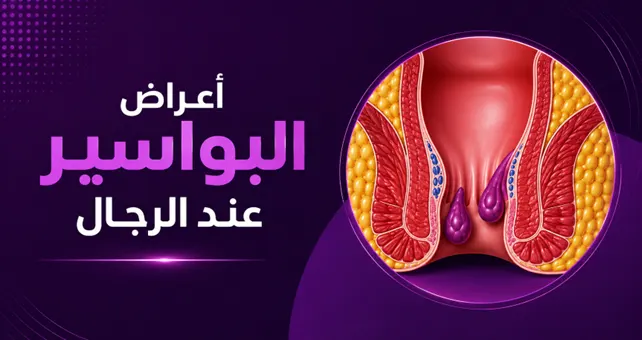
Many men dismiss the initial symptoms of hemorrhoids, assuming it is just a matter of time before they resolve on their own. This delay—often driven by embarrassment rather than anything else—is precisely what turns a simple, easily treatable condition into a more complex issue requiring greater intervention.
The simple truth is: the earlier hemorrhoids are detected, the broader and less invasive the treatment options are.
In this guide, we review hemorrhoid symptoms in men, their causes, when a doctor’s visit becomes a necessity rather than an option, and the latest treatment methods available today at HemoCure.
What Are Hemorrhoids?
Hemorrhoids are enlarged veins in the anus and lower rectum resulting from increased and continuous pressure on these blood vessels. They are classified into two types:
-
Internal Hemorrhoids: Form inside the rectum. They rarely cause pain initially, but may lead to bleeding during bowel movements or prolapse outside the anal opening as the condition progresses.
-
External Hemorrhoids: Appear directly around the anal opening and are more painful, especially when sitting or passing stool. They may be accompanied by swelling, itching, or a blood clot.
Key Hemorrhoid Symptoms in Men
Symptoms vary from case to case depending on the type and grade of hemorrhoids, but there are common signs to watch for:
-
Bleeding During Bowel Movements
Often appears as bright red blood on toilet paper or in the bowl. It is crucial not to assume all bleeding is automatically from hemorrhoids; it could indicate an anal fissure or colitis, making a medical evaluation necessary to determine the actual cause.
-
Anal Pain
Most noticeable with external hemorrhoids or when a blood clot forms inside them. It typically intensifies during prolonged sitting, bowel movements, walking, or heavy lifting. Persistent or escalating pain is a clear signal that an examination is needed.
-
Persistent Itching and Irritation
Due to secretions or difficulty cleaning the area thoroughly, a person may feel burning, recurrent itching, and skin irritation around the anal opening throughout the day.
-
Lump or Swelling Near the Anus
Can be painful or painless. Sometimes, it is actually a blood clot within an external hemorrhoid—a condition requiring prompt medical evaluation rather than a wait-and-see approach.
-
Feeling of Incomplete Bowel Evacuation
A recurrent, uncomfortable sensation immediately after a bowel movement, usually linked to enlarged internal hemorrhoids.
-
Hemorrhoid Prolapse
In advanced stages, hemorrhoids may protrude outside the anus during bowel movements. The condition varies: they may retract spontaneously, require manual re-insertion, or remain permanently prolapsed.
Why Do Men Delay Seeking Treatment?
The core symptoms of hemorrhoids are similar between men and women, but the real difference lies in behavior: men are more inclined to postpone a doctor's visit due to embarrassment or the belief that the issue will resolve on its own. This specific delay allows the condition to worsen, making future treatment more complex than if caught early.
Causes of Hemorrhoids in Men
Hemorrhoids do not appear suddenly; they result from long-term pressure buildup on the rectal and anal veins. Prominent causes include:
-
Chronic Constipation: Frequent straining during bowel movements is one of the main contributing factors.
-
Prolonged Sitting: Whether at a desk job, while driving, or even on the toilet.
-
Heavy Lifting: Using improper technique or lifting repeatedly at work.
-
Overweight/Obesity: Increases intra-abdominal pressure, directly affecting anal veins.
-
Lack of Physical Activity: Increases the likelihood of constipation and weakens blood circulation.
-
Diet Low in Fiber: Combined with low water intake, it leads to hard stools and greater effort during bowel movements.
-
Aging: Weakens the supportive tissues of blood vessels, making them more prone to stretching.
Additional Risk Factors
Chronic constipation or diarrhea, prolonged inactivity, obesity, jobs requiring constant heavy lifting, low fiber intake, inadequate fluid intake, and a family history of hemorrhoids.
When Is a Doctor’s Visit Urgently Required?
Do not wait for symptoms to "go away on their own" if you notice any of the following:
-
Recurrent bleeding during bowel movements.
-
Severe or continuously escalating pain.
-
Appearance of a painful lump around the anus.
-
Symptoms persisting for more than a few days.
-
Difficulty sitting due to pain.
-
A noticeable increase in swelling size.
-
Failure of the condition to respond to home remedies.
Remember that rectal bleeding is not definitive proof of hemorrhoids, so relying on symptoms alone is insufficient. A specialist evaluation is the only way to rule out other potential causes.
How Are Hemorrhoids Diagnosed at HemoCure?
Before selecting any treatment plan, diagnosis begins with precise steps, as hemorrhoid symptoms can mimic other conditions such as anal fissures, anal fistulas, or proctitis:
-
Medical History: The doctor inquires about symptom onset, bleeding, pain or itching, prolapse, and chronic constipation.
-
Clinical Examination: To determine the type and grade of hemorrhoids and rule out any other cause.
-
Advanced Diagnostic Tools (When Needed): Such as the LumenEye X1 device for high-definition rectal and anal examination, and the Proctostation to assess anorectal conditions and select the most appropriate treatment plan.
Modern Hemorrhoid Treatment Methods at HemoCure
There is no single treatment that fits everyone; the choice depends on the grade, size, and accompanying symptoms.
-
Conservative Treatment (For Early Stages)
Includes increasing dietary fiber, drinking sufficient water, avoiding straining during bowel movements, managing constipation, regular physical activity, and using topical or oral medications as needed.
-
Laser Hemorrhoidoplasty
One of the latest hemorrhoid treatment techniques globally. At HemoCure, the German Leonardo Plus device with a wavelength of 1940 nm is used. Laser fibers are inserted into the affected tissue to shrink enlarged blood vessels without traditional excision.
-
THD Doppler Technique
Relies on a Doppler device to locate and ligate the arteries feeding the hemorrhoids. This reduces blood flow, causing them to shrink gradually while preserving natural tissues and minimizing post-treatment pain.
-
PPH Stapler Technique
Used in advanced cases accompanied by significant prolapse. It relies on repositioning the prolapsed tissue to its natural position while reducing blood flow to the hemorrhoids.
Why use multiple techniques? Because every case is different. Determining the most suitable technique comes only after a thorough examination to achieve the best result with the least invasive intervention.
Can Hemorrhoids Be Treated Without Surgery?
Yes, in a large percentage of cases. However, this depends on the grade of the hemorrhoids, their size, duration, presence of prolapse or complications, and overall health status. Early examination opens the door to less invasive options.
How to Prevent Hemorrhoids from Recurring
-
Eat plenty of vegetables, fruits, and whole grains.
-
Drink at least 2 liters of water daily.
-
Avoid sitting for extended periods without moving.
-
Do not delay the urge to pass stool.
-
Avoid straining during bowel movements.
-
Exercise regularly.
-
Maintain a healthy weight.
-
Treat chronic constipation early.
Frequently Asked Questions
Is all anal bleeding caused by hemorrhoids?
No. Bleeding may result from anal fissures, proctitis, or other causes. Relying on symptoms alone is insufficient; a specialist consultation is required.
Can hemorrhoids return after treatment?
They can return if root causes persist, such as chronic constipation or repeated straining. Adhering to post-treatment prevention guidelines is essential.
Is laser hemorrhoid treatment painful?
Modern laser techniques significantly reduce pain compared to traditional surgery, but pain levels vary by patient and case specifics.
Can I return to normal life quickly after treatment?
This depends on the treatment type and health status. However, many patients return to their activities in a shorter timeframe when modern techniques are used, as evaluated by the doctor.
Conclusion
Hemorrhoids are among the most common anorectal issues in men, but ignoring or delaying treatment causes them to worsen. Any symptom of bleeding, pain, itching, or swelling warrants a visit to a specialist for an accurate diagnosis to rule out similar conditions.
At HemoCure, the journey begins with an accurate evaluation using the latest diagnostic tools, followed by selecting the best technique for each case—whether conservative management, Leonardo Plus 1940 nm laser, THD Doppler, or PPH Stapler—aiming for superior therapeutic results and a shorter recovery period.
Do not postpone your checkup. Book your consultation at HemoCure today and take your first step toward recovery.
Add New Comment