 English
 العربية


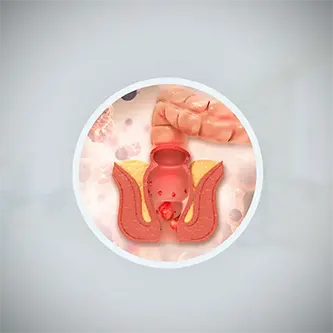
What is anal cancer?
Anal cancer is a type of gastrointestinal cancer that originates in the tissues of the anus. It typically results from cellular changes in the anal cells and can be serious if not diagnosed and treated early.
Although relatively rare compared to other types of gastrointestinal cancers, it still presents a significant health challenge.
Symptoms of anal cancer:
The symptoms of anal cancer can be diverse and vary from person to person. Signs and symptoms that may indicate the presence of anal cancer include:
1. Rectal bleeding: This is one of the most common symptoms of anal cancer. Blood may appear in the stool or on toilet paper after a bowel movement.
2. Pain or swelling in the anal area: Pain in the anal region may be accompanied by swelling.
3. Changes in bowel habits: Changes in bowel habits, such as chronic constipation or diarrhea, can be a potential sign.
4. Unexplained weight loss: If you experience weight loss without a clear cause, it could be an indicator of a health issue that requires evaluation.
5. Itching or irritation in the anal area: Itching or irritation in the anal region may result from ulcers or growths.
6. Changes in stool appearance: Changes in the appearance of stool, such as unusual shapes or sizes, could be a sign.
It's important to seek medical assistance if you are experiencing these symptoms or if there are any signs that raise concerns. Early diagnosis and medical follow-up are essential to improve the chances of recovery if anal cancer is present.
Causes and Risk Factors of Anal Cancer:
Anal cancer is rarely the result of a single cause and is typically due to multiple factors. Several factors and habits may increase the risk of developing anal cancer. Some potential factors include:
1. Human Papillomavirus (HPV) Infection: This virus can increase the risk of developing anal cancer.
2. Immune System Disorders: If you have a weakened immune system, you may be more susceptible to certain types of tumors, including anal cancer.
3. History of Anal Diseases: Previous conditions in the anal region, such as growths or ulcers, can increase the risk of anal cancer.
4. Tobacco Smoking: There is evidence that smoking can increase the risk of anal cancer.
5. Diet and Nutritional Habits: Consuming low-fiber, high-fat foods, excessive processed meats, and powdered foods can increase the risk of anal cancer.
6. Genetic Factors: Having a family history of anal cancer may increase the risk.
7. Age: Older individuals are typically more prone to developing anal cancer.
It's important to note that these factors increase the risk of developing anal cancer but do not necessarily guarantee its occurrence. There are preventive methods and early detection for this type of cancer, including vaccination against HPV and routine medical screenings.
Prevention of Anal Cancer:
1. HPV Vaccine: One of the most effective means of preventing anal cancer is vaccination against the Human Papillomavirus (HPV). This vaccine is recommended for both girls and boys at an early age, as it can reduce the risk of HPV infection and, consequently, the risk of anal cancer.
2. Healthy Nutrition: Maintaining a healthy diet rich in fruits, vegetables, and fiber can reduce the risk of anal cancer. Avoiding smoking and reducing the consumption of processed meats and powdered foods is also advisable.
3. Physical Activity: Regular physical activity can help maintain a healthy weight and enhance immune system health, reducing the risk of anal cancer.
Treatment of Anal Cancer:
The treatment for anal cancer depends on the disease's stage and the specific type of tumors. Treatment options may include:
1. Surgery: Surgical procedures are among the most common methods for treating anal cancer. They involve the removal of cancerous tumors.
2. Radiation Therapy: Radiation therapy may be used to treat anal cancer, especially when tumors are large or have spread.
3. Chemotherapy: Chemotherapy can be used either alone or in combination with surgery or radiation therapy.
4. Targeted Therapy: This treatment targets specific compounds in cancer cells without affecting healthy cells.
The choice of treatment and available options will vary depending on the individual case. It's important to consult a healthcare professional to determine the most suitable treatment based on clinical evaluation, tumor type, and stage. Psychological and social support is also an essential part of the treatment for individuals with anal cancer.
At Hemocure clinics, we possess state-of-the-art equipment along with a comprehensive medical team of specialized consultants in the treatment of anal and rectal diseases and nuclear medicine. We perform procedures using the latest global techniques without causing harm to the surrounding healthy tissues.