 English
 العربية


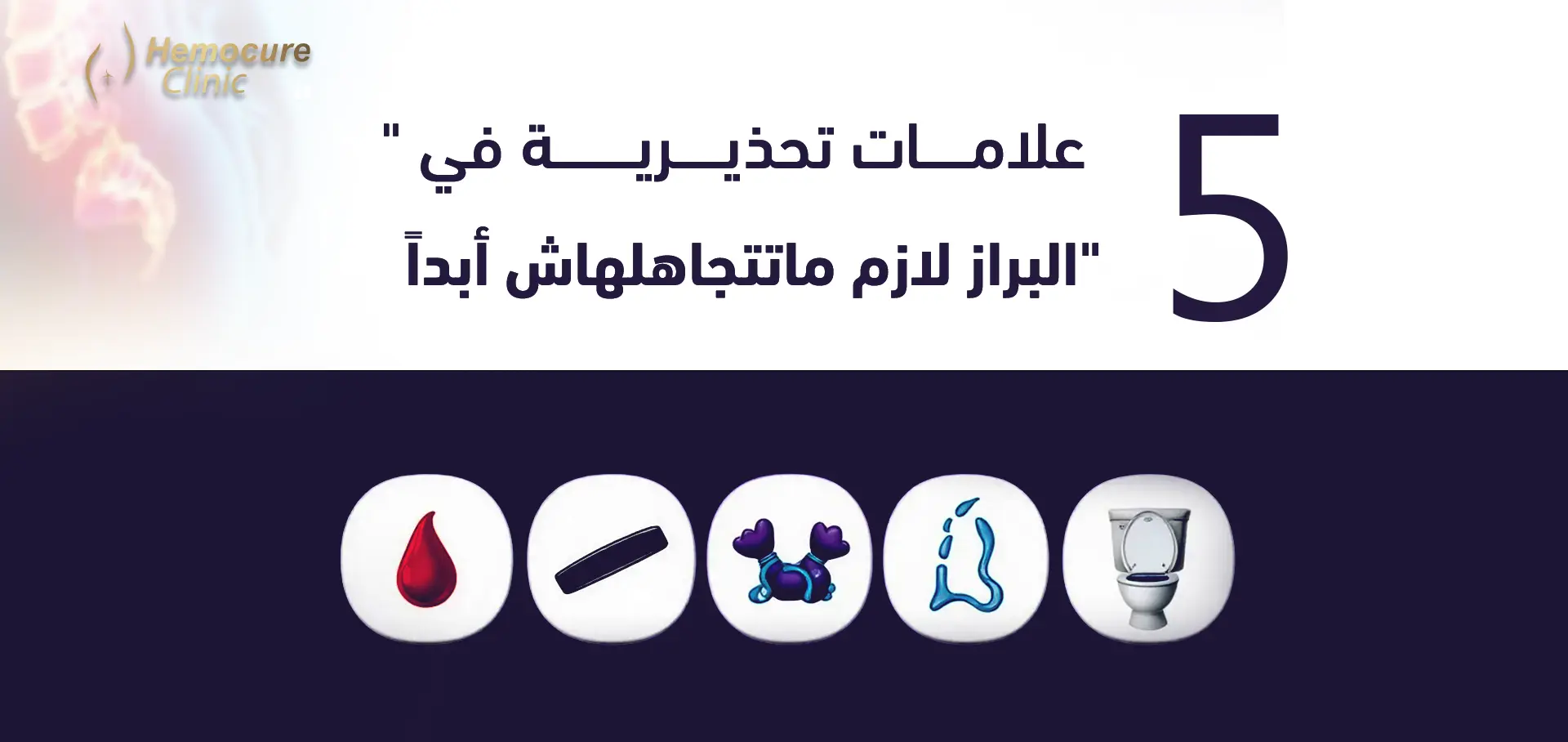
Stool... although most people approach the topic with sensitivity or neglect, it is actually one of the most important indicators that reveals the condition of the digestive system, colon, and anus with greater accuracy than you might imagine.
A change in its color, shape, odor, or even the frequency of bowel movements, could be a clear message from your body that there is a problem... a message that must be taken seriously.
Since the topic is related to the digestive system, colon, and anus — these indicators are not just casual observations, but rather warning signs that could save your life if understood in time.
In this article, we will talk about 5 serious signs in your stool that you should never ignore, as they often point to a problem requiring swift and precise medical intervention.
1) The Appearance of Blood in Stool – Whether Bright or Dark
The presence of blood in the stool is the most serious and, unfortunately, the most neglected sign.
Bright Red Blood
This is usually related to problems in the anal and rectal area, including:
-
Hemorrhoids
-
Anal Fissure
-
Inflammations
Many of these conditions are easily treated if the patient seeks help early.
However... ignoring the blood transforms the condition from simple to very painful, and the patient may need advanced therapeutic intervention instead of conservative treatment.
Dark or Black Blood
This is a more dangerous indicator because it may point to:
-
Bleeding in the colon
-
Bleeding in the stomach or upper part of the digestive tract
-
Severe inflammations
-
Colon tumors in some cases
Because the toxicity of blood changes its color after passing through the digestive system, the appearance of this color must be taken seriously.
Conclusion: If you notice blood... even once, you must undergo a specialized examination, as early diagnosis makes a huge difference.
2) A Clear Change in Stool Shape or Thickness
Stool has a known, natural shape, and any sudden change may indicate a problem.
Examples of Dangerous Changes:
-
Very thin stool (like a pencil)
-
Stool that is fragmented or looks like "ropes"
-
Very soft stool for a long period
-
Very hard stool that persists for days
What does this mean?
-
A severe change in thickness in some people may indicate a partial blockage in the colon.
-
Or external pressure on the colon wall.
-
Or abnormal spasms due to inflammation or severe irritable bowel syndrome (IBS).
-
And in rare cases... it might be an early sign of colon tumors.
The presence of these signs for a period exceeding two weeks requires a precise examination such as: Proctostation – Colonoscopy – Transrectal Ultrasound.
3) A Sudden Change in Stool Color
The natural color of stool ranges from light to dark brown, and any obvious change must be noted.
Colors that Require Attention:
1) Pitch Black Color
Often indicates:
-
Internal bleeding
-
Severe inflammations
-
The effect of certain medications like iron supplements
2) Yellowish, Fatty Color
This is accompanied by a very pungent odor
This could be due to:
-
Problems with fat absorption
-
Pancreas inflammation
-
Impaired liver or gallbladder function
3) White or Clay-Colored Stool
This is a clear indicator of:
-
Blocked bile ducts
-
Problems with bile secretion
This situation requires swift medical intervention and cannot wait.
4) An Abnormal or Very Pungent Odor
Everyone knows that stool has an unpleasant odor... but there is a big difference between what is normal and what warrants concern.
When does the odor become dangerous?
-
If it becomes very pungent in an uncharacteristic way
-
If it persists for a long period
-
If it is accompanied by diarrhea or abdominal pain
-
Or if it changes simultaneously with a change in stool color
Potential Causes:
-
Severe bacterial infections
-
Parasites
-
Malabsorption
-
Colon inflammation
-
Pancreatic disorders
-
In rare cases: early stages of tumors
A persistent pungent odor is an important indicator that the digestive system is unable to digest food normally.
5) The Presence of Mucus or Pus in Stool
Mucus in small amounts is normal... but when it appears clearly and is noticeable to the eye, it is a warning sign.
Causes of Mucus or Pus Presence:
-
Colon inflammation
-
Ulcerative colitis
-
Severe bacterial infections
-
Anal fistula
-
Chronic inflammations
-
Blockage or internal abscess
The Most Dangerous?
The presence of pus along with pain, fever, or bloating...
This may indicate the presence of an anal abscess or fistula, which requires a quick diagnosis with a precise device such as: Sphinkeeper – HRA – Proctostation.
When Should You Visit a Doctor Immediately?
If you have one of the following signs:
-
Blood in the stool
-
Sudden or persistent change in color or shape
-
Pain during defecation
-
Unexplained weight loss
-
Chronic diarrhea or chronic constipation
-
Fever or fatigue without a clear cause
Delayed visits lead to complications and turn simple treatments into more complex procedures that could have been avoided.
At Hemocure... Diagnosis is Not a Routine Step, but the Foundation of Correct Treatment
Because diagnostic accuracy is what determines the appropriate treatment path for each patient, at Hemocure, we rely on the latest examination techniques globally, including:
-
Proctostation
-
Leonardo Plus Laser
-
Transanal Ultrasound
-
HRA (High Resolution Anoscopy)
-
THD – Ligasure – VAAFT
And other devices that provide accurate vision and enable the doctor to identify the problem from its roots.
This is the reason we achieve higher cure rates, greater comfort, and a lower rate of complications.
Ignoring these signs is not just a mistake... it is a real risk.
Your body is sending you a message — and your role is to listen to it.
If you notice any change in your stool, no matter how small, it is best to contact a specialized team to ensure correct diagnosis and optimal treatment.
For booking and inquiries: 15251
Hemocure – The place that combines science, experience, and the highest degree of safety.
Conclusion
Stool is not just a "daily routine," but an accurate mirror of your health.
Any unexplained change must be checked... because most digestive system diseases, if diagnosed early, are simple and easy to treat, and if delayed, they can cause undesirable complications.
The health of your digestive system, colon, and anus is one of the most important fundamentals of your quality of life... and it should never be ignored.
Add New Comment