 English
 العربية


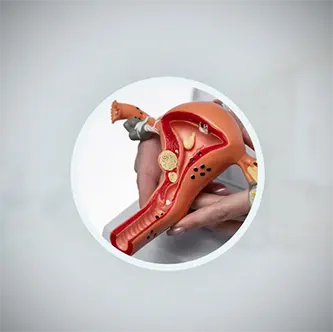
A feeling of heaviness in the pelvis that gets worse late in the day, urine leaking when you cough, or difficulty passing stool that makes you use your hand? These symptoms often have a single cause: a weak pelvic floor. And many women go from one doctor to another without ever learning the root of the problem. On this page we introduce you to the women’s pelvic health clinic at Hemocure (Pelvicure Clinic), the conditions we treat, and how we diagnose and treat them.
What is the pelvic floor, and why does it weaken?
The pelvis holds several organs side by side: the bladder in front, the uterus and vagina in the middle, and the rectum at the back. A group of muscles, ligaments and tissues called the “pelvic floor” keeps these organs in place. If they tear or weaken, these organs begin to drop from their positions and press on the vagina[1].
The most common causes of this weakness:
- Vaginal delivery, especially if it was repeated or difficult.
- Menopause, because estrogen, which strengthens these tissues, declines.
- Chronic constipation and chronic cough, because they constantly raise the pressure inside the abdomen.
- Excess weight.
- Previous surgery, such as hysterectomy.
- Genetic factors that make the tissues weaker than normal.
Which conditions do we treat at Pelvicure?
| Condition | What happens? |
|---|---|
| Anterior vaginal prolapse | The bladder drops and presses on the front wall of the vagina |
| Posterior vaginal prolapse (rectocele) | The rectum bulges into the vagina, causing difficulty passing stool |
| Uterine prolapse | The uterus descends into the vagina and, in advanced grades, may protrude from it |
| Perineal descent | The area between the vagina and the anus drops; this is rare |
| Vaginal laxity | Looseness and widening of the vaginal wall, usually after repeated deliveries |
| Stress urinary incontinence | Urine leakage with coughing, sneezing or bending |
| Vaginal fistula | An abnormal opening between the vagina and the rectum or the bladder |
| Perineal tear after childbirth | Requires muscle repair and reconstruction of the area |
In cooperation with the anorectal surgery team we also treat related conditions, such as rectal prolapse and fecal incontinence.
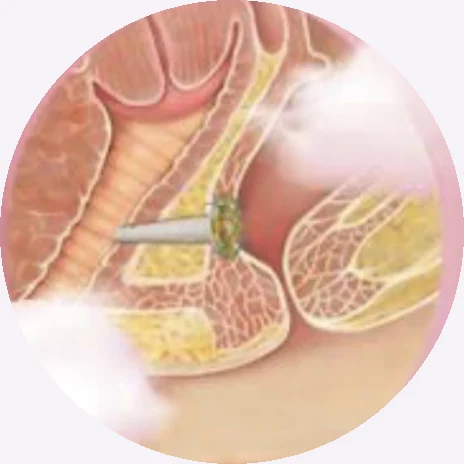
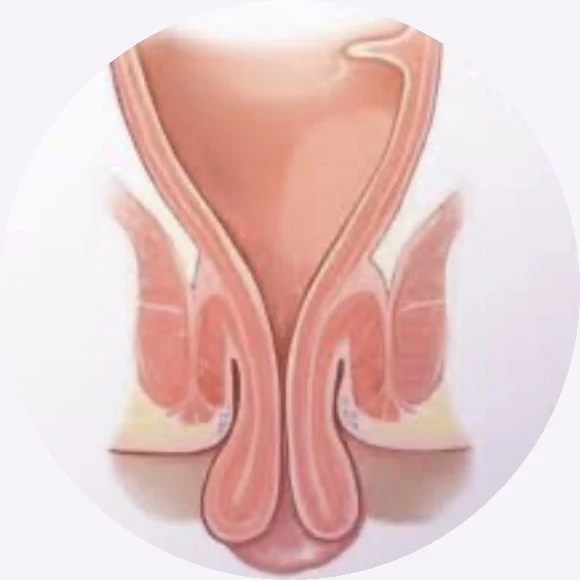
What is the difference between vaginal prolapse and uterine prolapse?
Vaginal prolapse is a drop in the vaginal wall itself, pressed on by the bladder from the front (anterior prolapse) or by the rectum from the back (posterior prolapse). Uterine prolapse, by contrast, is the descent of the uterus into the vagina because the ligaments that hold it have weakened. More than one type can occur in the same woman. Guidelines note that these conditions are common among women, especially after vaginal delivery and with advancing age[1].
Dr. Osama YehiaVideo “Is there a difference between uterine prolapse and vaginal prolapse?”“Vaginal prolapse is one thing and uterine prolapse is another… and some women keep moving from a surgeon to a gynecologist to a urologist without ever knowing what the root of the problem is.”
What are the symptoms, and when should you visit the clinic?
Mild grades may cause no symptoms at all and are found by chance during an examination. But over time you may notice:
| Area | Symptoms |
|---|---|
| Pelvis | Heaviness or pain in the pelvis, worse late in the day or after standing for a long time |
| Urine | Difficulty starting urination, a frequent urge to urinate, a feeling of incomplete emptying, or leakage with coughing and sneezing |
| Stool | Difficulty passing stool, a feeling of incomplete emptying, or having to use your hand to help |
| Sexual intercourse | Pain during intercourse or reduced sensation |
Dr. Osama YehiaVideo “Is there a difference between uterine prolapse and vaginal prolapse?”“The rectum becomes like a balloon… the more you strain, the more it bulges toward the vagina.”
And if your main complaint is that you “cannot pass all of your stool” and you spend a long time in the bathroom, the cause may be a posterior vaginal prolapse rather than ordinary constipation.
How is it diagnosed?
Diagnosis begins with a clinical examination to determine the type and grade of the prolapse. Depending on your symptoms, the doctor may request:
- Urodynamic testing, which is essential before any operation to treat urinary incontinence.
- Defecography if you have difficulty passing stool.
- MRI of the pelvis in some cases.
How is it treated?
Non-surgical treatment
It suits mild grades and includes[2]:
- Pelvic floor muscle exercises (Kegel exercises).
- Weight loss and treatment of constipation and chronic cough.
- Topical estrogen in some cases after menopause.
- A vaginal ring (pessary) for women who are not suited to surgery.
Surgical treatment
It is used for advanced grades, or when problems with urination or passing stool appear. The aim is to return each organ to its natural position so that it can do its job; vaginal prolapse is, in the end, like a hernia:
| Condition | Procedure |
|---|---|
| Anterior vaginal prolapse | Separating the bladder from the vagina, returning it to its place and repairing the torn tissue |
| With stress urinary incontinence | Placing a supporting tape under the urethra (TOT) |
| Posterior vaginal prolapse | Separating the vagina from the rectum and repairing the tissue, and sometimes placing a mesh for reinforcement |
| Uterine prolapse when you do not wish to have more children | Vaginal hysterectomy with fixation of the vaginal apex to the pelvic ligaments |
| Uterine prolapse when you wish to have children | Fixing the uterus with surgical mesh |
| Perineal descent | Laparoscopic fixation with tapes similar to the uterine ligaments |
Dr. Osama YehiaVideo “Vaginal prolapse: causes, symptoms and treatment options”“Vaginal prolapse is, broadly speaking, a surgical hernia — like the hernia that happens in the abdomen, but it happens in the vagina.”
Why Pelvicure at Hemocure?
- One team for all the problems: pelvic conditions overlap between the bladder, the vagina and the rectum, which is why the pelvic health team, led by Dr. Osama Yehia — consultant in obstetrics and gynecology at Al-Azhar University and specialist in women’s pelvic conditions — works alongside the anorectal surgeons, and the two often share the same operation, as in vaginal fistula repair and perineal reconstruction.
- A full female medical team for those who prefer a female doctor.
- Pelvic health examinations at both the Katameya and Mohandessin branches, with ultrasound available in the clinic.
- All procedures are performed in the hospital, with follow-up afterwards until full recovery.
Dr. Osama YehiaVideo “Rectovaginal fistula in women”“A rectovaginal fistula is not just a channel that we close… you have to put the muscles back and bring the perineal area back to normal.”

Founder of Hemocure and the first to introduce laser anorectal surgery in Egypt in 2014. Chair of the Training Council of the International Society of Laser Surgery in Proctology (ISLOP) and the international reference for anorectal surgery, and recipient of the State Appreciation Award in 2018.
Read more
- Vaginal fistula: causes, symptoms and treatment
- Rectal prolapse: symptoms, causes and treatment
- Fecal incontinence: causes, diagnosis and treatment
Scientific references
- American College of Obstetricians and Gynecologists, American Urogynecologic Society. Pelvic Organ Prolapse: ACOG Practice Bulletin No. 214. Obstet Gynecol. 2019;134(5):e126–e142. https://doi.org/10.1097/AOG.0000000000003519
- Urinary incontinence and pelvic organ prolapse in women: management. NICE guideline NG123. 2019. https://www.nice.org.uk/guidance/ng123
- Gaertner WB, Burgess PL, Davids JS, et al. The ASCRS Clinical Practice Guidelines for the Management of Anorectal Abscess, Fistula-in-Ano, and Rectovaginal Fistula. Dis Colon Rectum. 2022;65(8):964–985. https://guidelinecentral.com/guideline/1971902
This article is for information only and does not replace a medical examination.
Book your examination
Do not put up with symptoms in silence; most pelvic problems can be treated. Leave your details in complete confidence and the Hemocure team will contact you to agree on the appointment and the nearest branch.
Or call the hotline 15251, and the Hemocure team will agree on the appointment and the nearest branch with you.
Answers to the most common questions about pelvic health — from symptoms and diagnosis to treatment and prevention — are in the FAQ below.