 English
 العربية


Medically reviewed by Dr. Mohamed Magdy Elnaggar — Consultant Colorectal Surgeon. Last updated: November 2026.
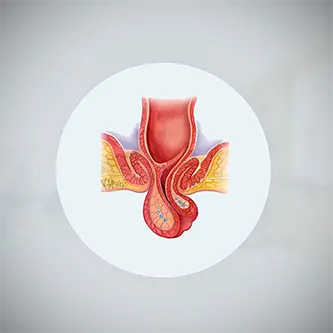
Rectal prolapse is the protrusion of part of the rectum through the anus, usually after years of chronic constipation and pelvic floor weakness.
What is it?
Downward sliding of the rectal wall through the anal opening. It may start internally and progress to full-thickness prolapse.
Types
Internal (no visible protrusion), partial (mucosa only) and complete (full thickness).
Causes
- Chronic constipation and straining
- Pelvic floor weakness, sometimes after childbirth
- Advancing age
- Conditions associated with chronic straining
Symptoms
- Tissue protruding after bowel movements
- Rectal heaviness or pressure
- Chronic constipation or incomplete emptying
- Mucus discharge or slight bleeding
Diagnosis
Clinical examination, with dynamic imaging when needed to assess the rectum and pelvic floor.
Treatment
Conservative care (constipation control, pelvic floor training) helps mild cases and prevents progression; advanced or recurrent prolapse needs surgical fixation.
Prevention
Treat constipation early, avoid prolonged straining, and train the pelvic floor.
FAQs
See the questions section below.
Hemocure — assessment and treatment. Booking: 15251.