 English
 العربية


Medically reviewed by Dr. Mohamed Magdy Elnaggar — Consultant Colorectal Surgeon. Last updated: November 2026.
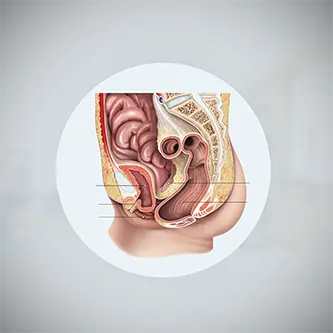
Vaginal prolapse is the descent of pelvic organs (bladder, uterus or rectum) into or out of the vagina due to weakened supporting tissue.
What is it?
Ligaments and muscles that hold the pelvic organs lose tone, so an organ drops from its normal position. Severity is graded by the degree of descent.
Types
Anterior wall (with the bladder), posterior wall (with the rectum) and uterine prolapse.
Causes
- Multiple or difficult deliveries
- Tissue weakness with age and menopause
- Obesity and repeated heavy lifting
- Chronic constipation
Symptoms
- A feeling of heaviness or a lump
- Dragging pressure
- Urinary difficulty, frequency or leakage
- Constipation or difficulty emptying
- Discomfort during intercourse
Link to anal conditions
Both share pelvic floor weakness; vaginal prolapse often coexists with sphincter weakness or chronic constipation.
Treatment
Pelvic floor training, weight control and constipation management; a pessary for moderate cases; reconstructive surgery for advanced cases.
Prevention
Pelvic floor exercises after childbirth, treating constipation and chronic cough, and weight control.
FAQs
See the questions section below.
Hemocure — pelvic floor assessment. Booking: 15251.